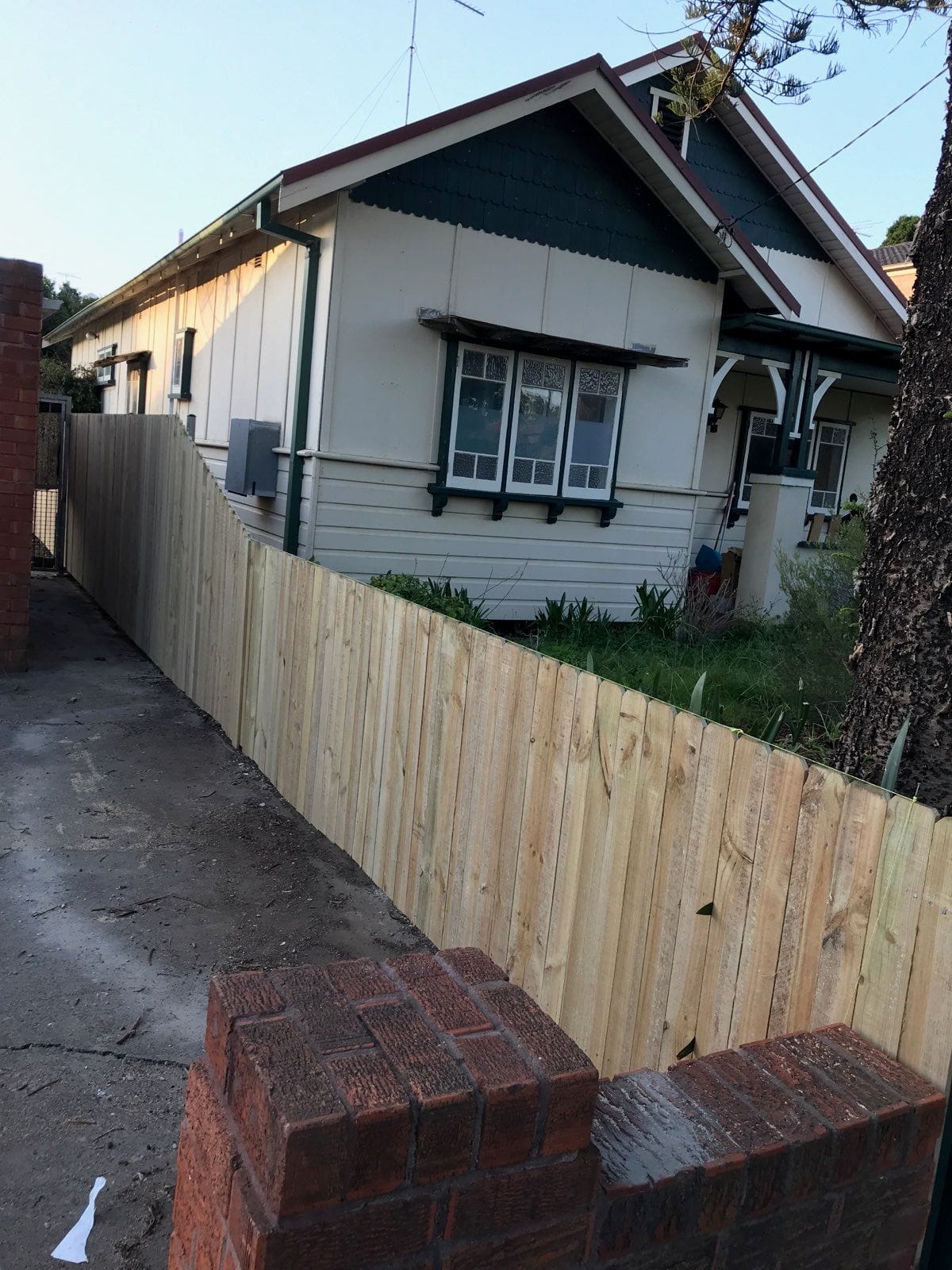
Treated pine
Treated Pine Single Paling Timber Fencing
The standard Sydney boundary fence. A single layer of treated pine palings fixed to horizontal rails, built straight, plumb and square, with gates to match.
View details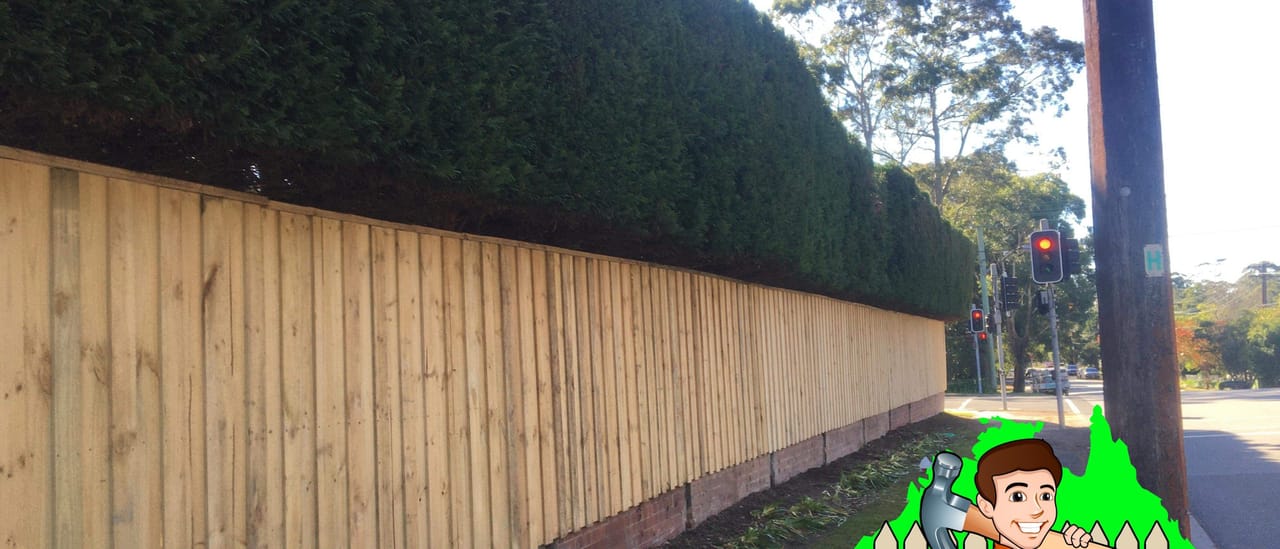
Treated pine and Australian hardwood boundary fencing, measured on site, built on site and finished with gates to match. Four systems, one licensed Sydney fencing contractor.
All four are vertical timber boundary fences. What separates them is how the palings sit on the rails, and that changes the face, the privacy and how the finished fence reads.
The standard Sydney boundary fence. A single layer of treated pine palings fixed to horizontal rails, built straight, plumb and square, with gates to match.
View details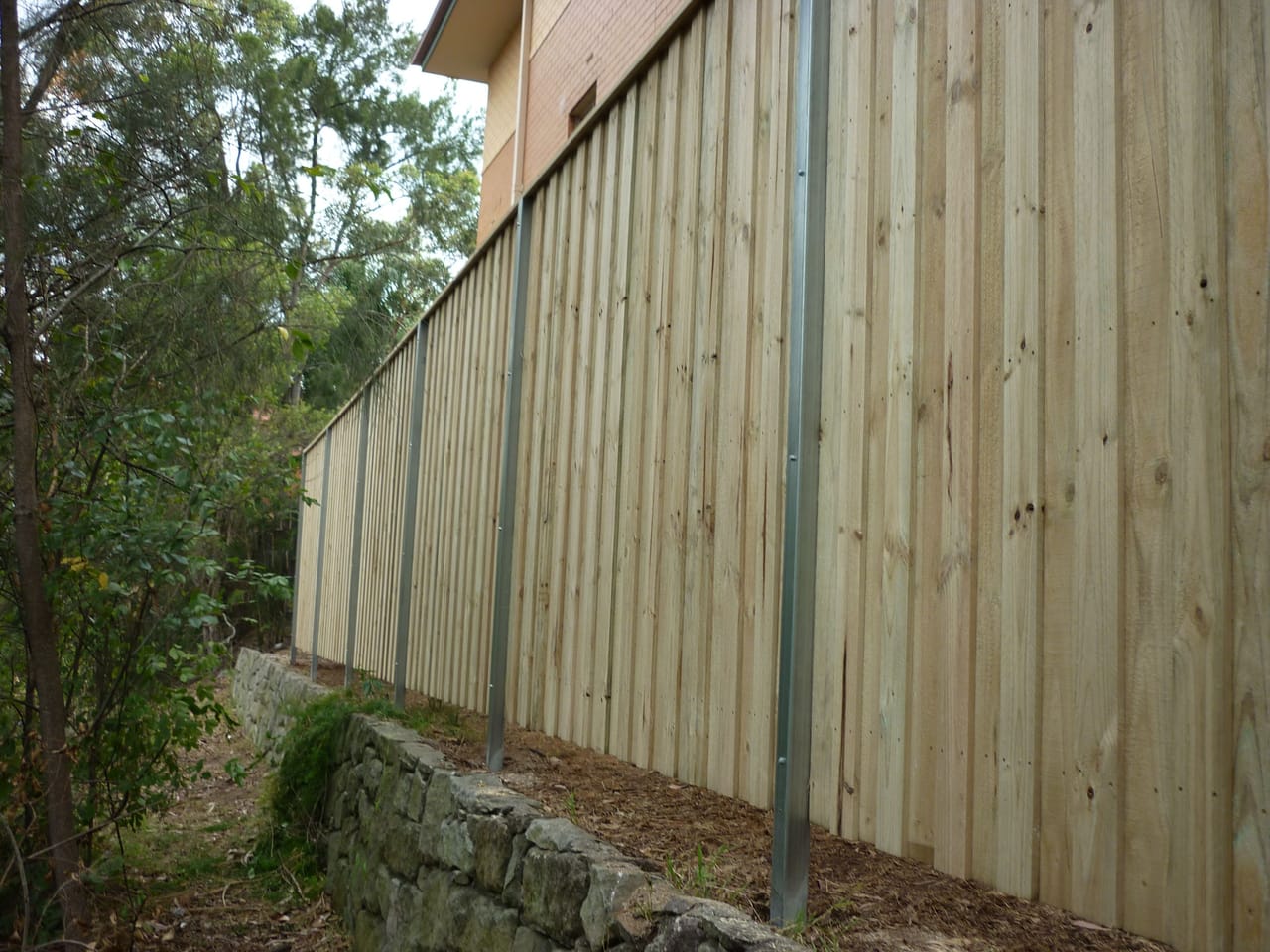
Overlapped palings with a capping rail along the top. The most substantial of the treated pine options, and the one to choose when privacy and a finished top line both matter.
View details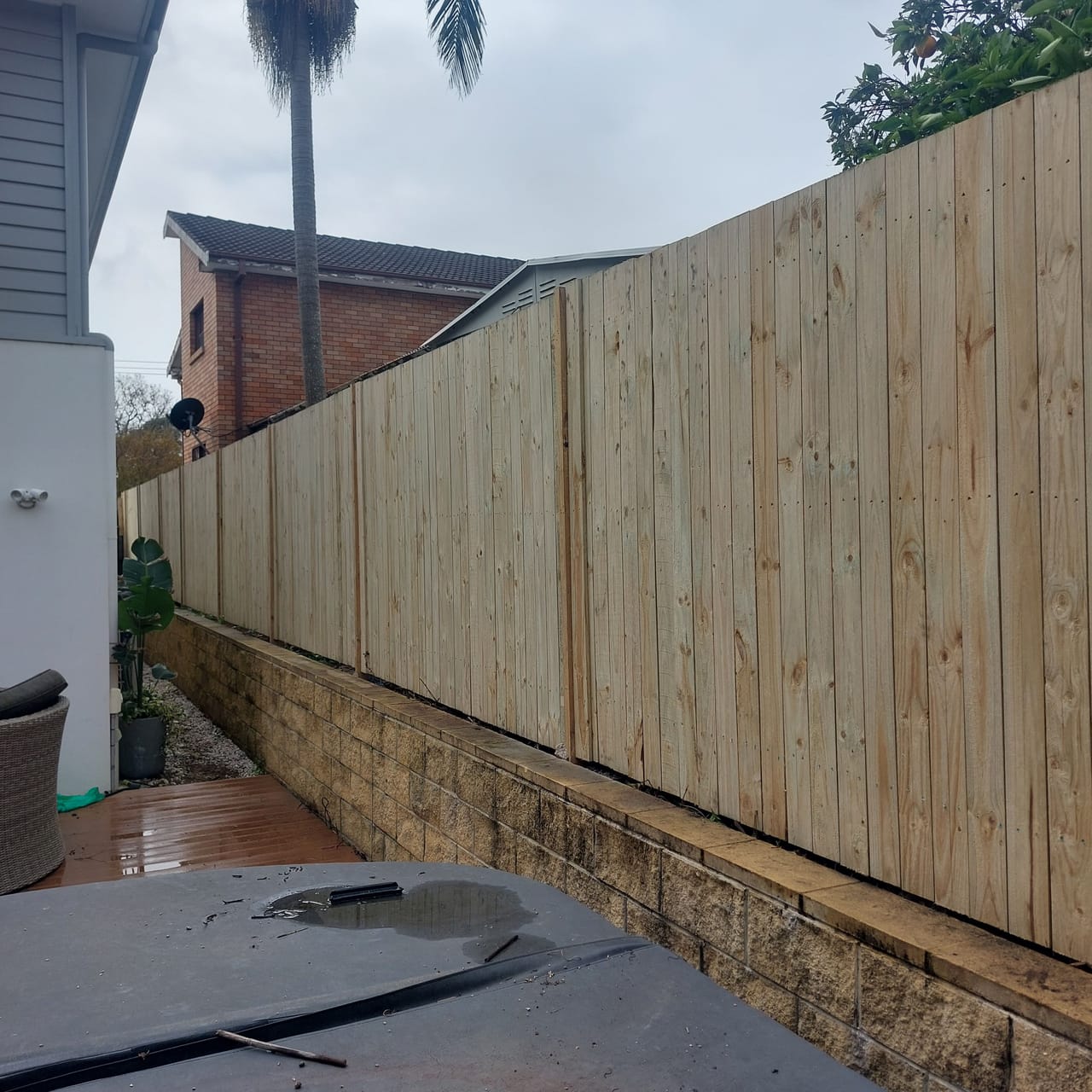
Overlapped palings without the capping rail. The privacy of a lapped fence with a plainer top line.
View details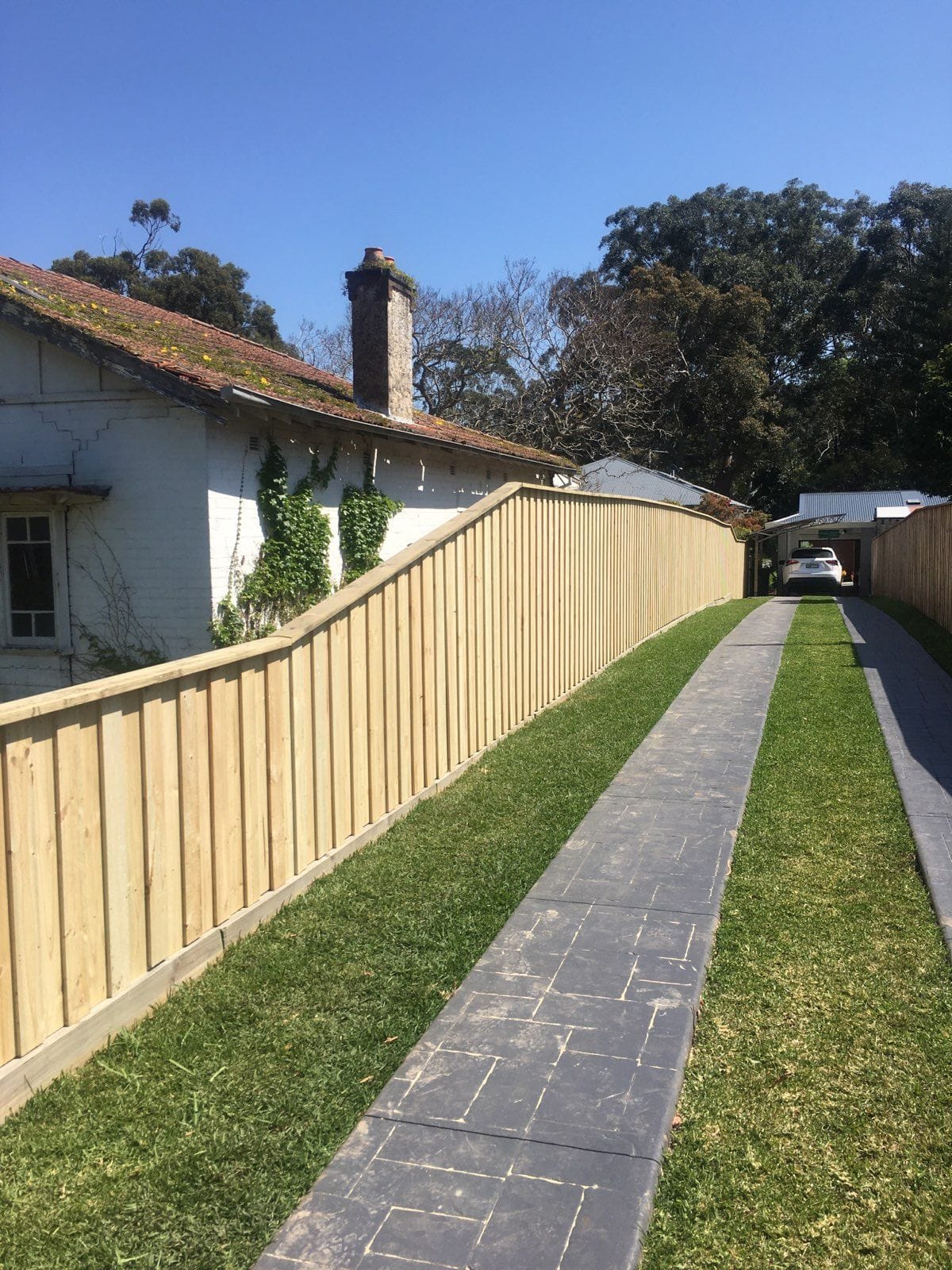
Australian hardwood palings instead of treated pine. A denser, heavier timber with a different look, for projects where hardwood is the right call.
View detailsA timber fence stands or falls on its posts. These are the standards we work to on every job, whichever system you choose.
Anything that depends on your property — final height, footing depth in difficult ground, or what applies on a boundary you share — is confirmed at the site measure rather than assumed here.
Most Sydney timber fencing is treated pine. Hardwood is the heavier, denser alternative, and it suits some projects better than others.
Pressure-treated softwood, used for the great majority of timber boundary fencing in Sydney. It is lighter to handle, straightforward to work with and takes paint or stain well. New treated pine carries a green or light tan cast that fades as it weathers, and left uncoated it greys off over time.
A denser, heavier timber with a deeper natural colour. Hardwood palings have more substance in the hand and a different grain character. Because the material is heavier, the structure carrying it matters more, and the cost of the material is higher than treated pine.
Gates are built from the same palings, to the same height and the same top line, so the opening reads as part of the run.
One leaf, sized for people to walk through. The most common gate on a residential boundary, usually on a side path or into a rear yard.
View details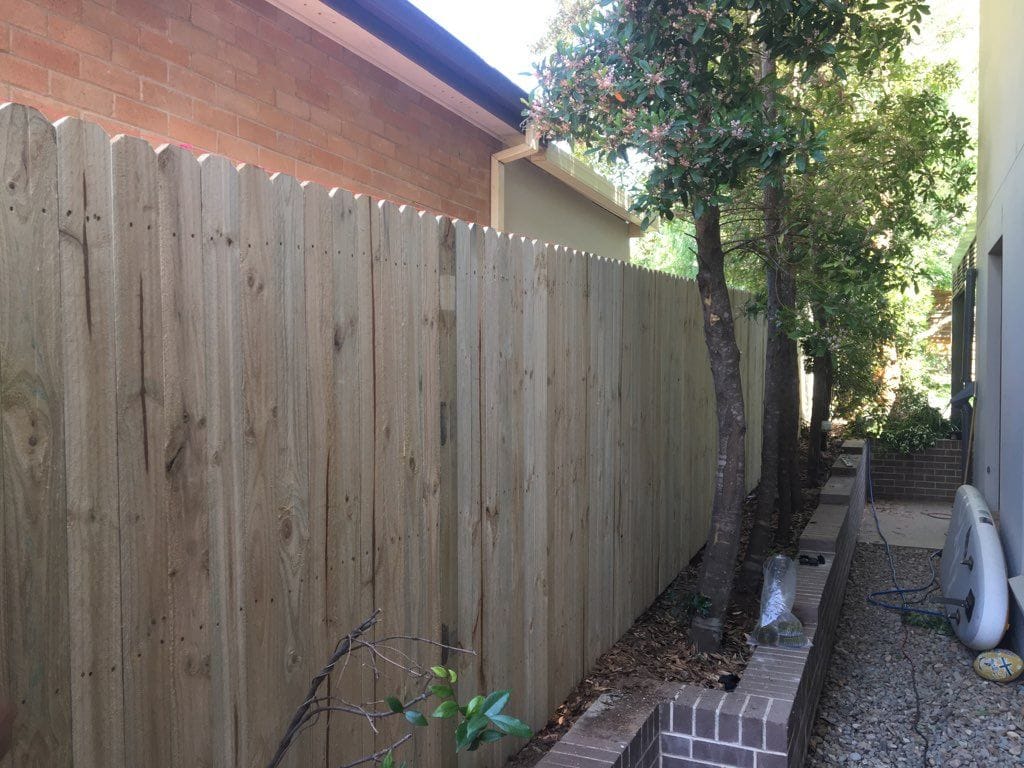
A single leaf spanning the whole opening. Suits openings a single gate can cover without becoming too heavy or sagging.
View details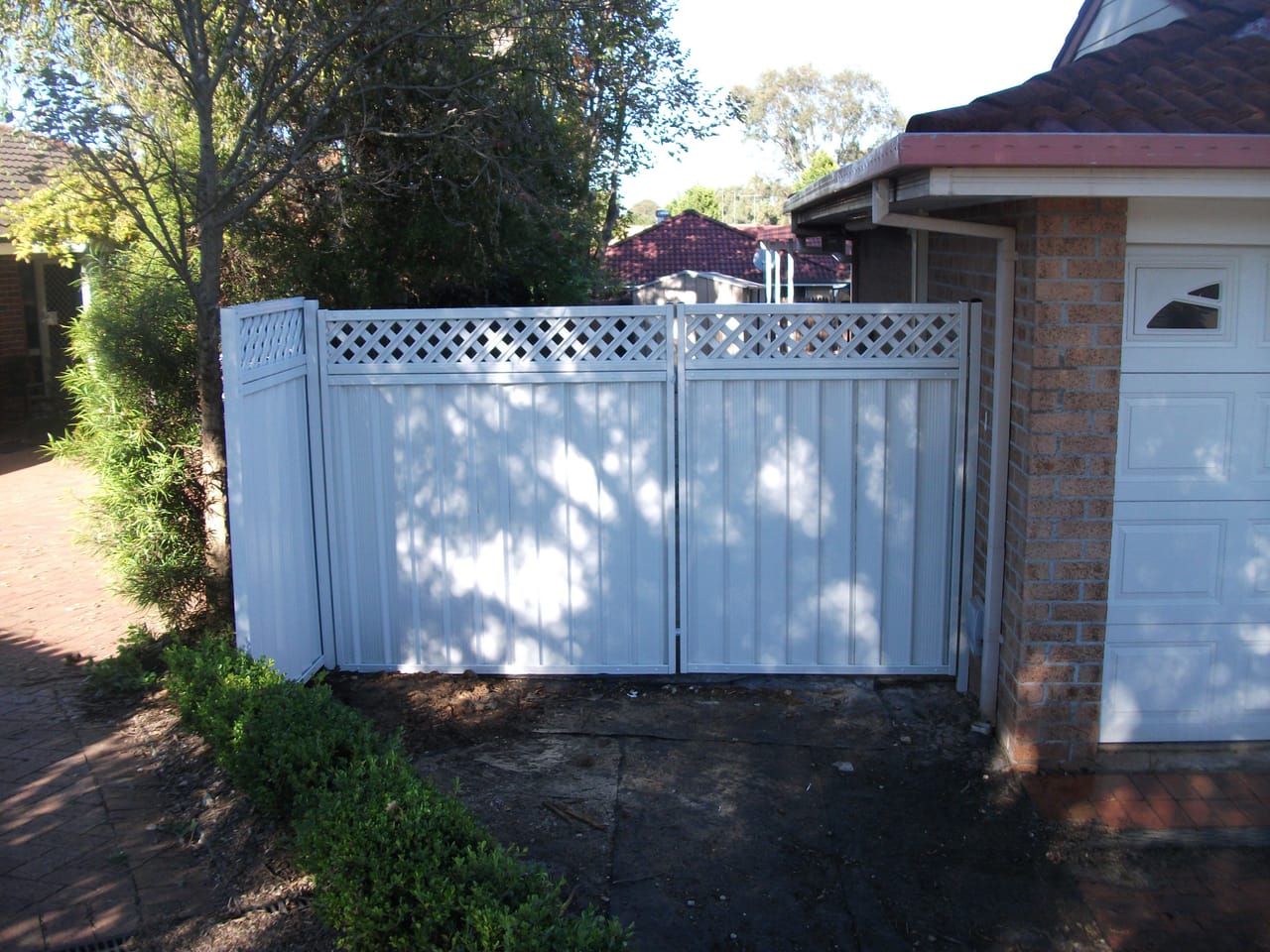
Two gate leaves that meet in the centre of the opening. Each leaf is lighter and needs less swing clearance than a single leaf covering the same width.
View details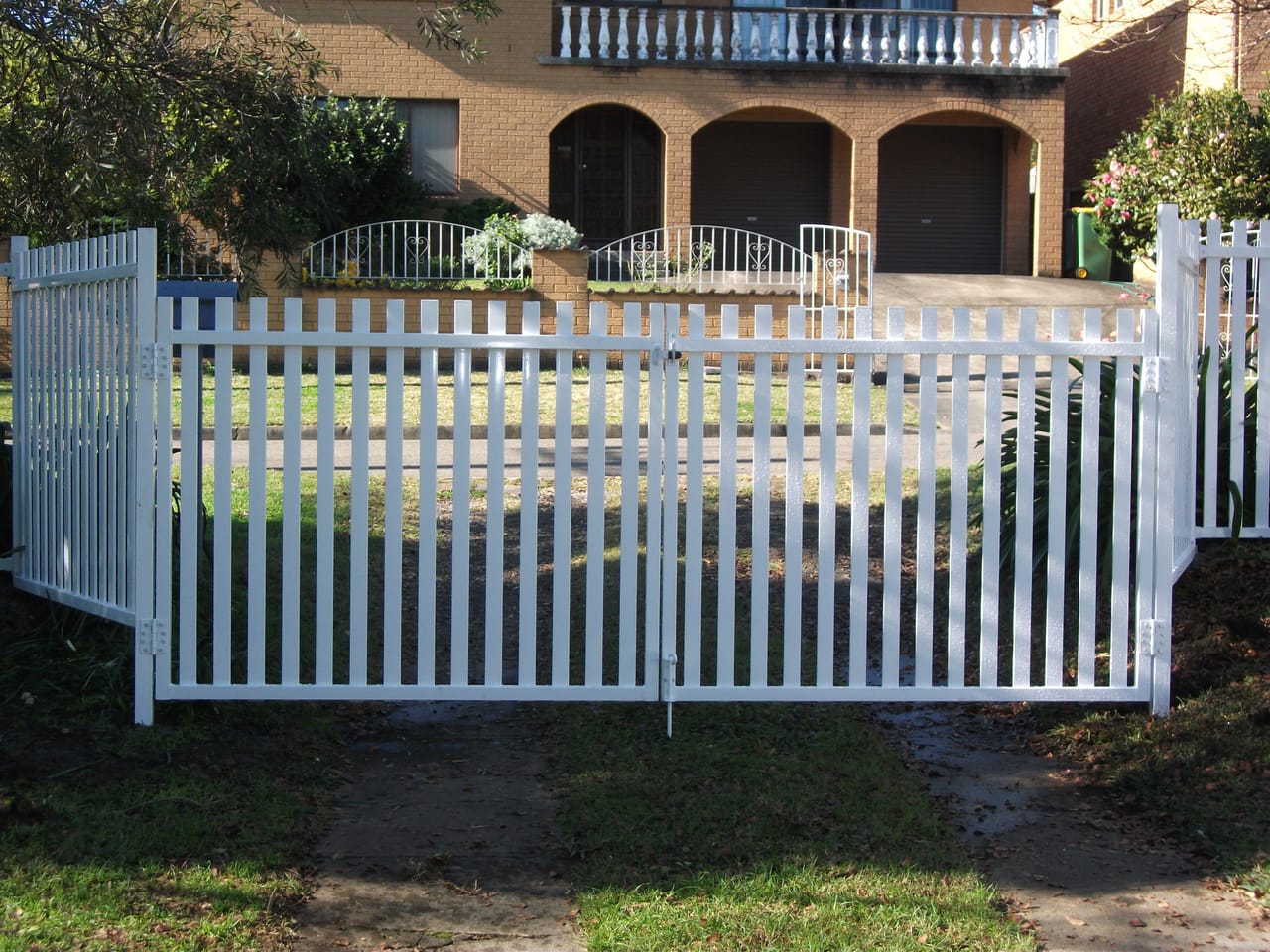
Gates across a vehicle opening, most often as a pair of leaves. Driveway width, the fall of the driveway and swing clearance all drive how they are built.
View detailsA fence with one layer of vertical timber palings fixed side by side to horizontal rails. The palings sit in a single plane so the face of the fence is flat. It is the most common timber boundary fence in Sydney.
Fencing built from pine that has been pressure treated so it can be used outdoors in the weather and, at the correct treatment level, in the ground. New treated pine has a green or light tan cast that fades as it weathers, and it takes paint and stain well.
A timber fence with overlapping palings and a capping rail along the top. The overlap removes the straight sight line through the face of the fence, and the capping rail gives the run a single clean top line while covering the cut ends of the palings.
A timber fence with overlapping palings and no capping rail. The overlap closes the face of the fence the same way lap and cap does, but the paling tops are left as the finished top line.
Single paling fence construction using Australian hardwood palings instead of treated pine. Hardwood is denser and heavier than pine, with more variation in colour and grain, and it weathers to a grey silver if left uncoated.
Both overlap the palings, so both close the sight line through the face of the fence. Lap and cap adds a capping rail along the top; lapped only leaves the paling tops exposed as the top line.
A lapped fence, either lapped only or lap and cap. Because the palings overlap, there is no straight gap to see through, and seasonal timber movement does not open up a sight line the way it can on a single paling fence.
It is a different material rather than a straight upgrade. Hardwood is denser, heavier and naturally durable, with more character in the grain, and it costs more. Treated pine is lighter, easier to work and less expensive. Which one suits depends on the property, the look you want and the budget.
The boundary is measured, any existing fence is removed and disposed of, the fence line is set out, posts are dug and concreted, rails are fixed between the posts, palings are fixed to the rails, gates are hung and adjusted, and the site is cleaned up with old material taken away.
Each post is set 600mm deep into the ground and secured with at least one full 20kg bag of concrete. Posts can also be filled with concrete up to one third of their length for extra strength.
Timber posts or 65mm x 65mm steel posts. Steel posts are often chosen for longer runs, taller fences and gate posts, because those positions carry the most load.
Heights, quantities, cost factors and what installation actually involves.
There is no single best timber fence. There is a best fence for your boundary, and the honest way to get to it is to work through what the fence actually has to do.
6 min readHeight is the specification people are most confident about and most often wrong about, because the number you have in your head is rarely the number that matters on site.
5 min readYou do not need to be precise. You need to be roughly right, and you need to describe the shape of the job correctly.
4 min read Choose "unsure — I'd like advice" in the quote form and Jye Fulton will talk through the options for your boundary when he measures.
NSW Fencing Licence 269038C · ABN 76 612 245 594