Replacement
Replacing an old timber fence
Most timber fencing work in Sydney is replacement, not new. Which means the first real question is not what fence you want, it is whether you actually need a new one.
5 min read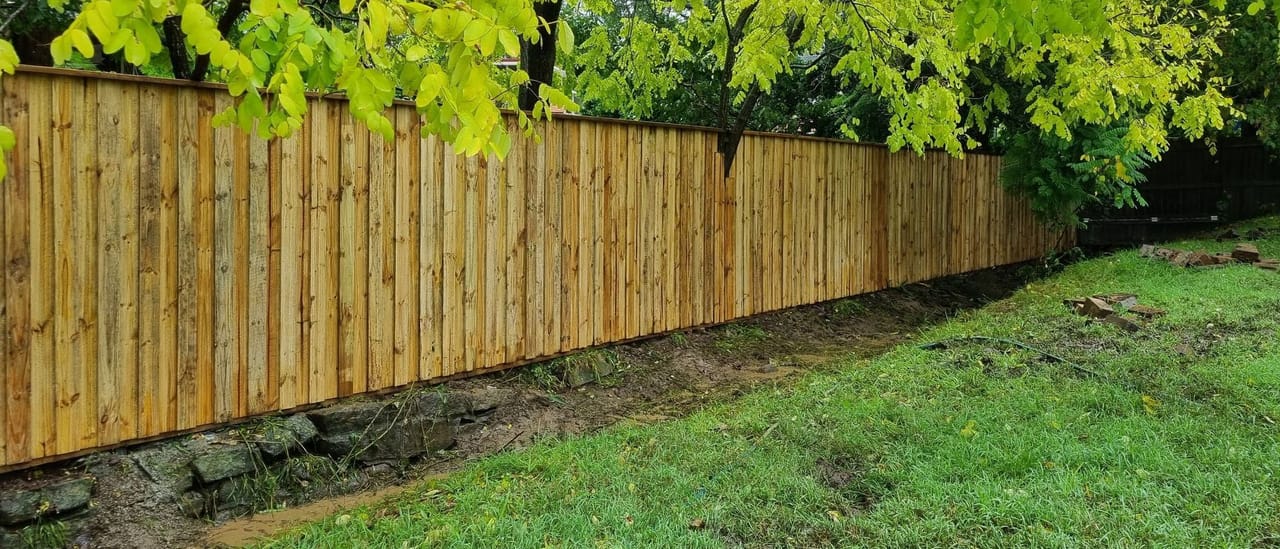
Timber is a natural material sitting outdoors in the weather. It moves, it changes colour, and it needs a bit of attention. None of that is a fault.
Knowing what is normal weathering and what is an actual problem is most of what maintenance is about.
Some of the things people report as faults are simply what timber does outdoors.
These are the things that get worse if you leave them.
Ten minutes once a year catches almost everything worth catching.
All three are legitimate choices, and they are choices about appearance and upkeep rather than right and wrong.
Leaving it uncoated means the fence greys off naturally and you do nothing. Coating it holds a colour and means recoating at some point.
New treated pine is not always ready to coat immediately, because freshly treated timber can hold moisture and coating too early works against the finish. If you plan to paint a new fence, raise the timing at the site measure.
We do not publish coating lifespans or repainting intervals. How long a finish lasts depends on the product, the preparation, how exposed the fence is and the weather it sees, and any number we printed here would be wrong for plenty of fences.
Timber fails fastest where it stays wet. On a fence that means ground level, which is why post rot at ground level is the classic failure.
The single most useful maintenance habit is keeping the base of the fence clear. Garden beds, mulch, stacked material and heavy planting against the bottom of a fence all hold moisture exactly where you least want it.
Hardwood is a naturally durable, denser timber, and treated pine is pressure treated for exterior use. Both are made for the job, and both still sit outdoors in the weather.
The maintenance habits are the same for either: keep the base clear, keep water off it where you can, keep planting under control, and deal with loose components before they load something else.
No. Uncoated timber weathers to grey, which many people are happy with. Painting or staining holds a colour and means recoating at some point. Both are legitimate choices.
Timber takes up and gives off moisture with the weather, so gaps between palings can tighten and open through the year. It is normal movement. A lapped fence avoids sight lines opening up because the palings overlap.
We do not publish repainting intervals, because it depends on the product used, the preparation, how exposed the fence is and the weather it sees. Recoat when the existing finish starts to break down rather than to a calendar.
Keep the base of it clear. Soil, mulch and planting banked against the bottom of a fence hold moisture at ground level, which is exactly where timber fences fail.
Most timber fencing work in Sydney is replacement, not new. Which means the first real question is not what fence you want, it is whether you actually need a new one.
5 min readThere is no single best timber fence. There is a best fence for your boundary, and the honest way to get to it is to work through what the fence actually has to do.
6 min readHeight is the specification people are most confident about and most often wrong about, because the number you have in your head is rarely the number that matters on site.
5 min read
Once you know what you want, Jye Fulton will measure the boundary and quote it. There is no charge for the visit.
NSW Fencing Licence 269038C · ABN 76 612 245 594